“As a provider, DCISionRT test results are incredibly valuable because they give precise, individualized information about a patient’s risk and the potential benefit of specific treatments. The results often come in the form of percentages or risk scores that help quantify the likelihood of recurrence or the effectiveness of a particular therapy, like radiation. For example, if a test shows that a patient’s risk of recurrence is very low without radiation, I can
confidently discuss skipping radiation as a viable option. Conversely, if the results indicate a high risk of recurrence, I can explain why radiation is crucial for reducing that risk. These numbers provide an objective framework to guide decision-making.”
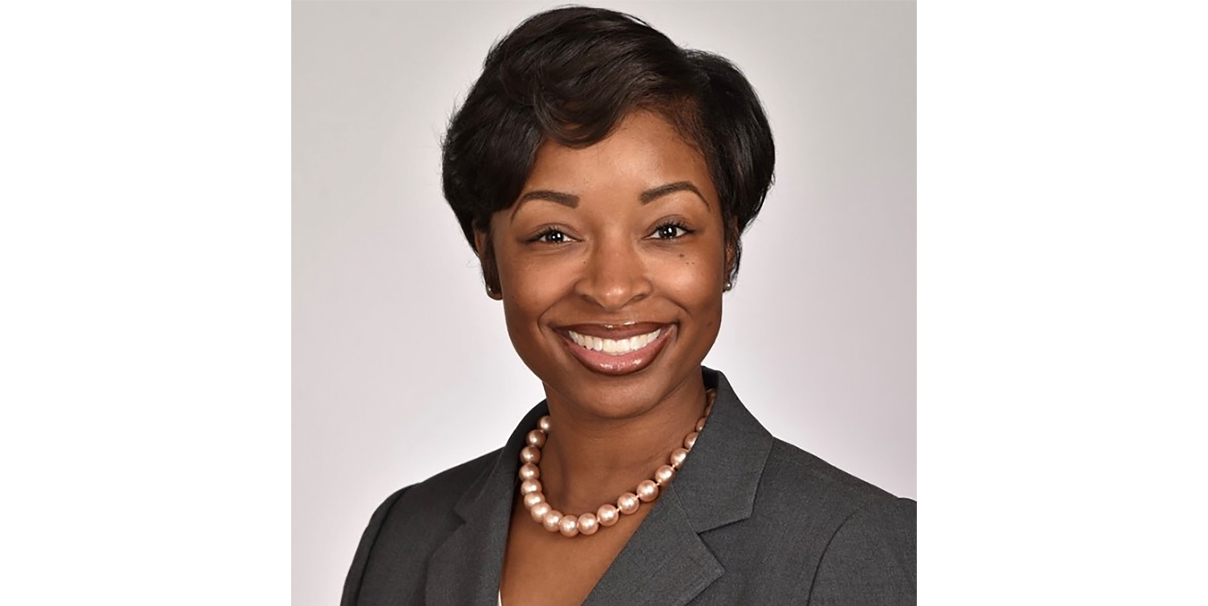
Like many physicians, Dr. Princess Thomas Williams’ path was shaped by a pivotal patient encounter.
“During my third year of residency, I met a pregnant patient diagnosed with breast cancer,” Dr. Williams says. “Her journey impacted me and introduced me to breast cancer surgery as a specialized field, which I hadn’t realized was distinct from general surgery.”
This experience led Dr. Williams to shift focus from her original goal of cardiothoracic surgery to becoming a surgical oncologist specializing in breast cancer. Since beginning her practice in 2016, Dr. Williams has witnessed concerning trends in breast cancer diagnoses, particularly among young women.
“It floored me to see breast cancer in patients as young as their 20s or 30s,” Dr. Williams says. “What stands out even more is that many of these cases occur sporadically, without any genetic link or predisposition. It’s a stark reminder that breast cancer doesn’t always follow predictable patterns, even in young individuals.”
This observation has fueled her passion for precision medicine and its potential to unlock the mysteries behind these early diagnoses.
“What is driving this trend?” Dr. Williams asks. “Could it be hidden aspects of their biology, environmental exposures, dietary influences, stress, or an interplay of these factors? Pinpointing the exact causes would transform how we approach prevention and early intervention.”
Precision Medicine and DCISionRT
Dr. Williams embraced precision medicine early in her career, particularly through the adoption of the DCISionRT test for patients with ductal carcinoma in situ (DCIS). Practicing in Birmingham, Alabama, she knew the insights the test could provide would be especially helpful to her patients.
“Coming from the South, where mistrust of the medical community is common, many patients are hesitant about treatments such as radiation due to misinformation,” Dr. Williams says.
The test allows Dr. Williams to have more productive discussions with her patients because it provides a clear risk assessment for both DCIS and invasive cancer, showing the likelihood of recurrence with or without radiation.
“Patients can see specific percentages for DCIS recurrence, invasive cancer recurrence or a combination of both,” Dr. Williams says. “These details empower patients to make informed decisions about their treatment.”
She also uses this as an opportunity to educate them on the difference between DCIS and invasive cancer. Being able to discuss these nuances with data to back it up helps patients feel more confident and better understand the importance of their treatment options, Dr. Williams says.
“Many patients struggle to understand DCIS,” Dr. Williams says. “Often, they’ll say, ‘Oh, that’s not cancer,’ and I have to clarify, ‘Yes, ma’am, it’s stage 0 cancer, but it is cancer.’ Explaining that distinction is crucial. DCIS won’t take your life in its current state — it’s non-invasive and confined to the ducts. However, if left untreated for too long, it can progress into invasive cancer, which poses a greater risk.”
Exploring a holistic approach
For patients newly diagnosed with cancer, Dr. Williams emphasizes focusing on what they can control. She advocates for a comprehensive approach that includes healthy eating habits, exercise, mental health care and stress management techniques.
“Cancer is a marathon; it is not a sprint,” Dr. Williams says. “You have to pace yourself and go forward in life.”
Dr. Williams’ practice stands out for its integration of mind, body and spirit in cancer care. As a Christian, she’s open to incorporating spirituality into patient care when appropriate.
“A lot of things change after a cancer diagnosis,” Dr. Williams says. “Obviously, physically, but mentally and spiritually, as well. In addition to taking care of the patient from a surgical standpoint, I sit down and I listen. I listen to what’s going on with them and how their family is dealing with everything. Spirituality can be a powerful source of strength and resilience. Sharing that perspective with others who are open to such discussions can create meaningful connections.”
Her message, particularly for stage IV breast cancer patients, is one of hope.
“Advances in precision medicine, molecular genomics and immunotherapy have transformed the landscape of cancer treatment,” Dr. Williams says. “What used to be seen as a grim prognosis can now be a chronic condition in many cases, thanks to targeted therapies and immunotherapies tailored to individual tumor characteristics.”
Dr. Williams envisions a future where precision medicine becomes the standard for all cancer treatments. She dreams of a shift from reactive treatment to proactive prevention — identifying those at risk before cancer develops and implementing strategies to neutralize those risks.
“My hope for precision medicine is to see it evolve to a point where treatments are completely tailored to the individual, maximizing effectiveness while minimizing unnecessary side effects,” Dr. Williams says.
For Dr. Princess Williams, this work is more than a profession. Through her commitment to treating the whole person — mind, body and spirit — she continues to make a profound impact on her patients’ lives, offering both expert medical care and compassionate support throughout their cancer journey.
“I truly believe that this is what I was called to do,” Dr. Williams says.