“Without DCISionRT, I would have most likely received full radiation since my tumor pathology was considered medium (intermediate) to high grade. So, DCISionRT allowed me to make a health decision that I wouldn’t have otherwise been able to confidently make. Without DCISionRT I would have been throwing darts in the dark – do I need full radiation, partial radiation or no radiation?”
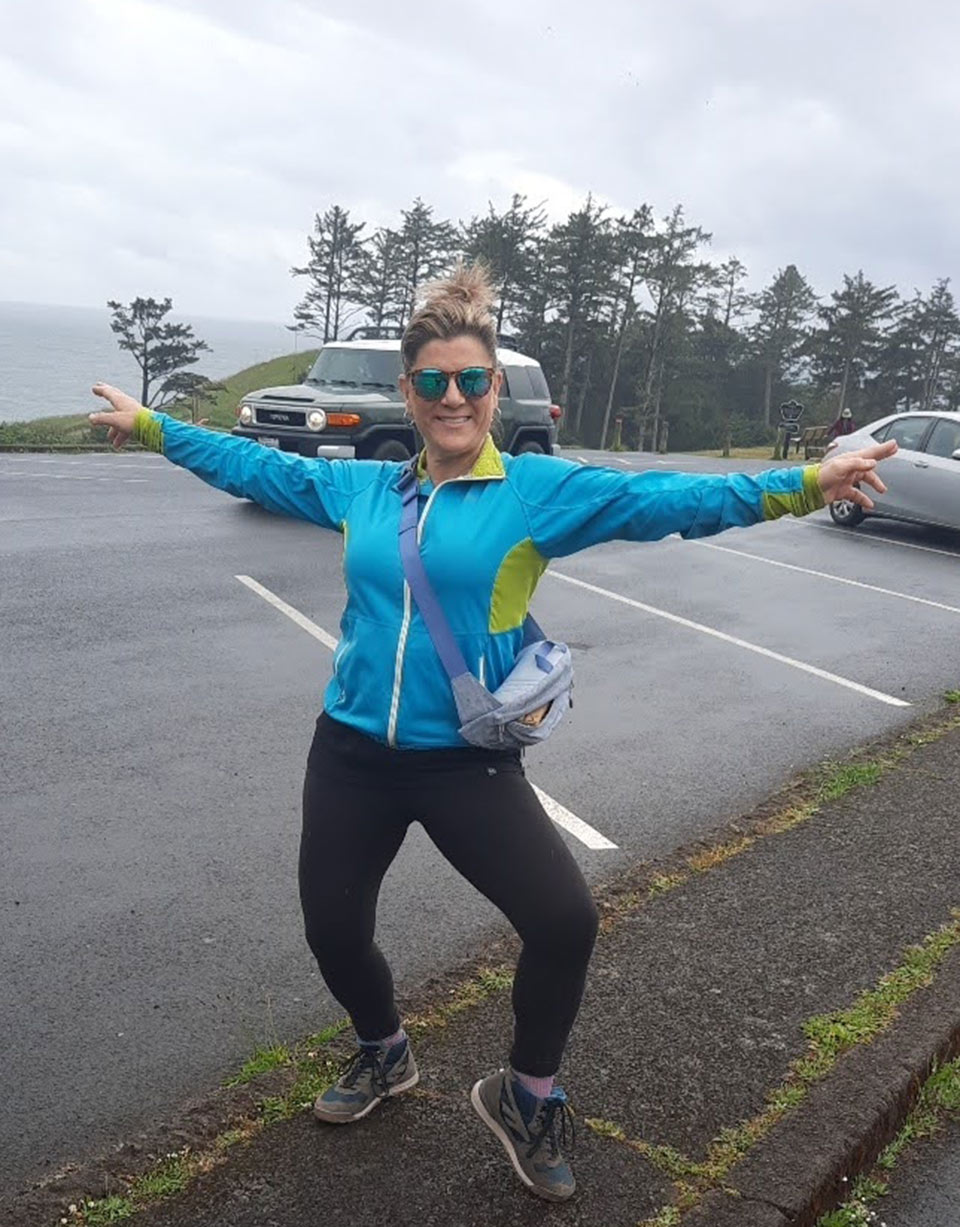
Angela is an active 51-year-old, who lives a ‘healthy lifestyle’ and works in the pharmaceutical industry. Last October Angela felt a lump but believed that it was probably nothing. At the time, she didn’t have preventative care with her health insurance, so her goal was to delay her mammogram to the first of the year and figure out new insurance. When the lump was still there in November, she decided to go in. Sure enough, imaging identified a tumor, which Angela had removed. The doctor explained that she had ductal carcinoma in situ (DCIS) and would now need to begin making many health decisions regarding surgery options, radiation and endocrine therapy.
“I really didn’t want radiation. So, I started researching DCIS, the types of radiation, the process, and related side effects, and came across information on DCISionRT from PreludeDx. DCISionRT uses your tumor biology to tell you your likelihood of DCIS or invasive recurrence with breast conserving surgery (BCS) alone or with BCS and radiation. My radiation oncologist was open to submitting my biopsy for the DCISionRT test. Dede at PreludeDx was great to work with and helped me understand the various terminology and how to interpret my personal Decision Score.”
“My Decision Score was 1.2 (low risk) and my recurrence risk was 9% with BCS alone and 7% with BCS and radiation, so I was a candidate for partial radiation or no radiation. My doctor really wanted me to have endocrine therapy, but I was skeptical about that because I didn’t want to take medicine every day for the next 5 years. We decided that the best middle ground would be to get partial radiation versus full breast radiation and delay endocrine therapy. For me the partial radiation was a 2% insurance policy to not take the medicine.”
“Without DCISionRT, I would have most likely received full radiation since my tumor pathology was considered medium to high grade. So, DCISionRT allowed me to make a health decision that I wouldn’t have otherwise been able to confidently make. Without DCISionRT I would have been throwing darts in the dark – do I need full radiation, partial radiation or no radiation?”
“Medicine is never black and white. Doctors are working off collective data from large studies and trying to decipher what is best for each individual patient. Everybody is different. DCISionRT was the first resource that was dialed in and gave me a quantitative number to help me decide on my personal treatment path – I wasn’t just ‘one of many’. It answered a big mystery – what is the best treatment option for me?”
“I am a bit of a trailblazer who digs in and gets all the information when I need to. My advice to other patients is to understand that DCIS is not a straight line, and you can explore the best option for you. We want to do the best for ourselves while still living our life without this diagnosis dominating our every thought. Try to quantify what is right for you and know there is a bandwidth of options within the protocol. Take the steps you need to take to be at peace.”
“DCISionRT really allowed me and my doctor to feel confident that I wasn’t taking a risk or exposing myself to horrible side effects for no reason. It is a bird’s eye view into your own tumor biology. At the end of the day, my decision was a combination of my gut instincts, my understanding of the data and my conversations with my doctor; I had no reservations.”
“I love to be active! As a new Grandma with an adult daughter, son, daughter-in-law, husband and 3 dogs, I am ready to get on with my life. All my family has been supportive and I am very blessed.”